
01
Team & Role Alignment
Define decision authority, design responsibilities, construction responsibilities, deliverables, and communication paths for the selected structure.
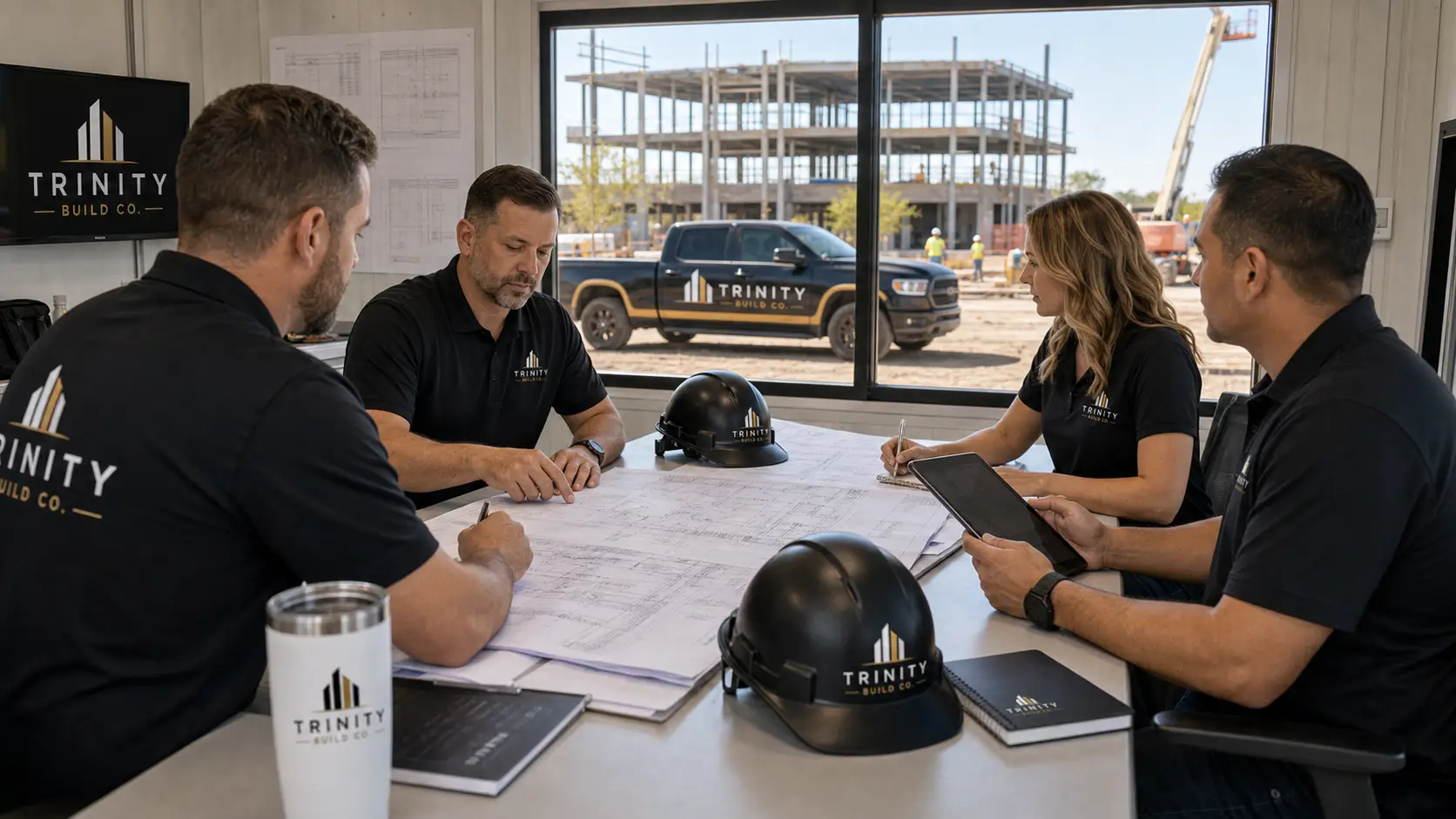
Connect design decisions with construction planning, pricing, procurement, and field execution from the beginning.
Design-build is a collaborative delivery approach that brings construction input into the design process. Instead of waiting for a completed set of documents to evaluate cost, logistics, and sequencing, the project team can examine those considerations as the design develops.
Trinity Build Co. coordinates the construction side of that process with the owner and design professionals. The project agreement establishes the contractual structure and professional responsibilities, while the working team aligns scope, constructability, budget, schedule, procurement, and authorization milestones.
Define decision authority, design responsibilities, construction responsibilities, deliverables, and communication paths for the selected structure.
Review developing design information for access, sequencing, coordination, material, system, and field-execution considerations.
Update budgets as information develops and identify assumptions, allowances, exclusions, and decisions affecting cost.
Connect design milestones, approvals, permitting, long-lead decisions, procurement, and construction sequencing in one working plan.
Confirm the authorized scope, design status, price basis, permits, procurement priorities, and open decisions before field work advances.
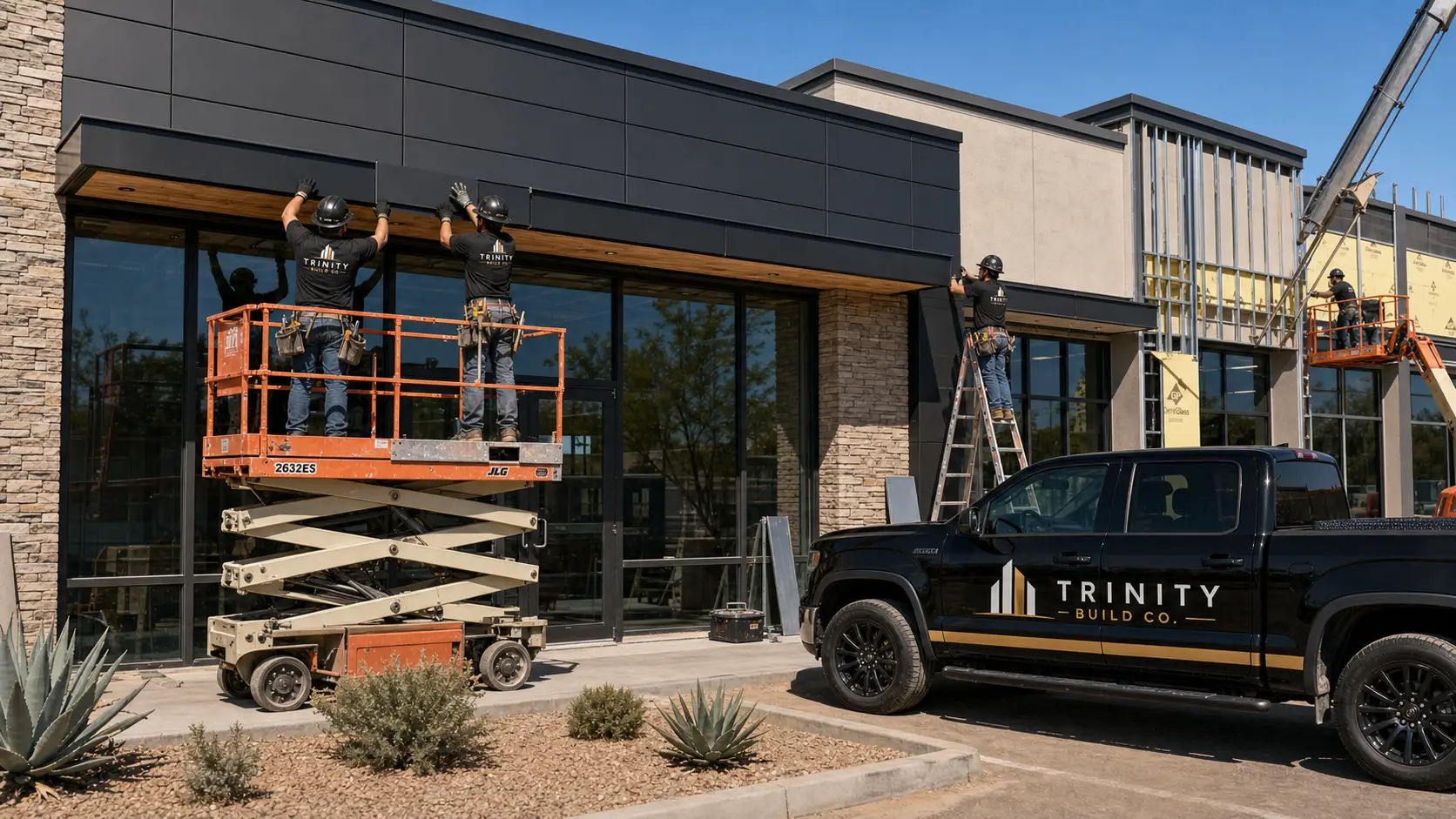
When cost, material availability, access, sequencing, and construction methods are discussed while design choices are still developing, the owner can compare options with more complete information.
Design-build does not remove the need for decisions, approvals, or professional responsibilities. It creates a framework for addressing them through an aligned team and a connected set of milestones.
Document the owner's goals, program, constraints, delivery structure, decision authority, and required professional services.
Establish the design and construction team, responsibilities, communication plan, milestones, and available project information.
Coordinate design, constructability, budgets, schedules, procurement, approvals, and alternatives through agreed milestones.
Confirm the scope, design status, price basis, schedule, permits, and open decisions required to proceed under the agreement.
Deliver the authorized work with the field controls, communication, documentation, punch, and turnover required by the project.
Design-build can be useful when owners want design and construction considerations evaluated through one coordinated workflow. The appropriate contract structure should be selected with the owner's legal and professional advisors.
Projects where design packages, permitting, procurement, and construction sequencing need to be considered together.
Projects that require recurring cost feedback as the design moves from concepts toward construction documents.
Work where system choices, logistics, existing conditions, or stakeholder requirements benefit from early builder input.
Project-specific answers depend on the documents, delivery method, contracts, jurisdiction, site conditions, and selected scope.
Design-build coordinates design and construction through an integrated delivery structure. The exact contractual model varies, but the goal is to connect design development with constructability, cost, schedule, procurement, and field-planning input earlier.
That depends on the selected design-build structure and project agreement. Design professionals may contract through the design-builder or under another approved arrangement. The contracts must clearly preserve each professional's responsibilities and the owner's decision rights.
No delivery method eliminates every change or guarantees an outcome. Coordinated planning can improve the information used for decisions, but results still depend on design development, approvals, market conditions, procurement, site conditions, and the executed contract.
The team is generally most useful before major design, system, budget, and procurement decisions are fixed. Trinity can review the project's current stage and identify an appropriate next planning step.
Share the current stage, location, scope, and priorities. We will help identify a practical next conversation.
Schedule a consultation and get a straight answer on budget, schedule, and feasibility — before you commit a dollar.