
01
Priority Definition
Clarify the design intent, performance needs, operating goals, budget pressures, schedule requirements, and non-negotiable outcomes.
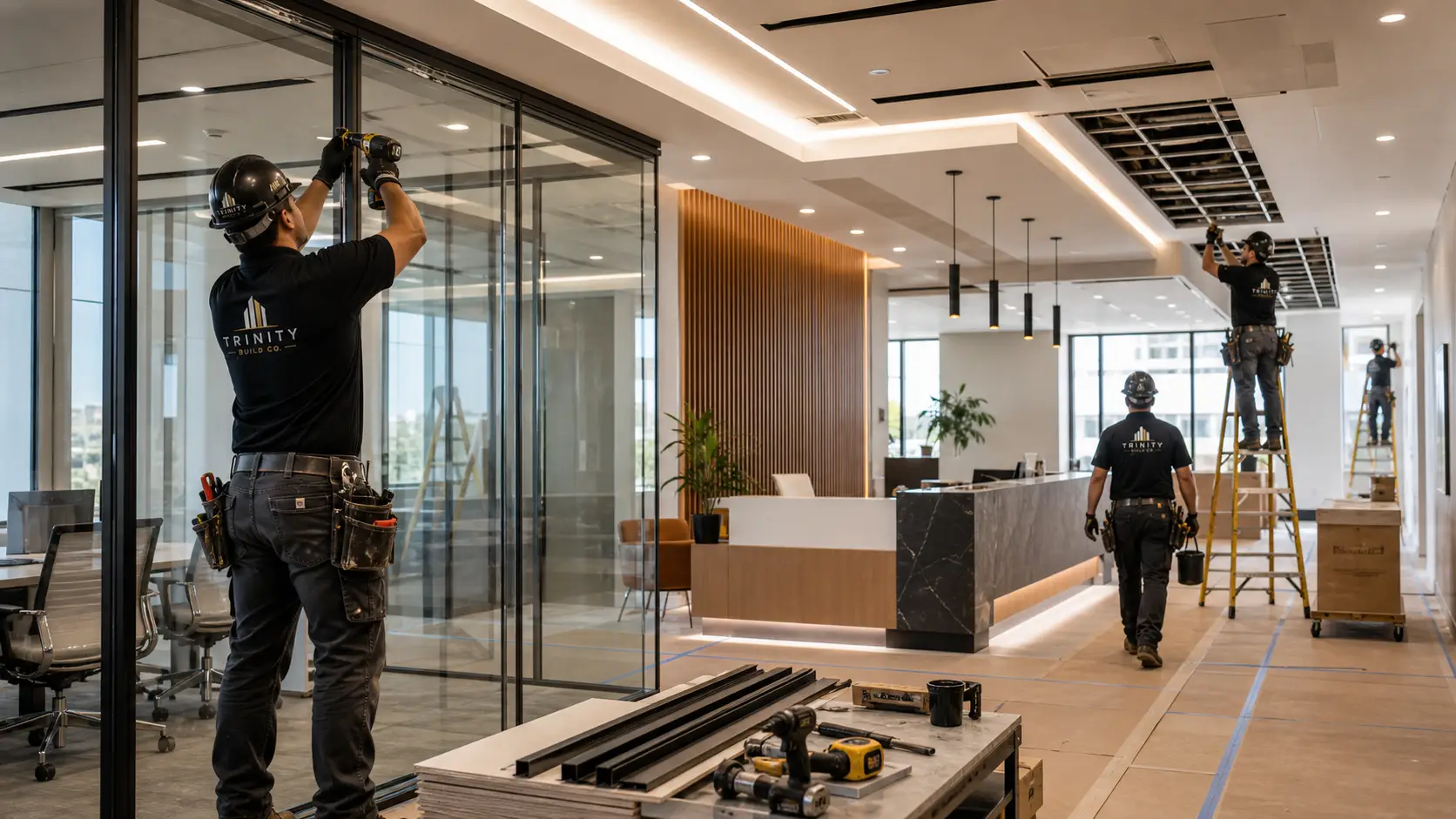
Evaluate practical alternatives without reducing every project decision to the lowest initial cost.
Value engineering is not simply cutting scope. A useful review begins with the owner's performance, design, operational, schedule, quality, and budget priorities, then compares alternatives against those goals.
Trinity Build Co. helps the project team identify and document construction options as design and pricing develop. Architects, engineers, owners, and other responsible parties retain approval over design, performance, code, and professional decisions within their scope.
Clarify the design intent, performance needs, operating goals, budget pressures, schedule requirements, and non-negotiable outcomes.
Review systems, materials, details, sequencing, procurement, packaging, and scope for practical alternatives worth evaluating.
Document probable cost, schedule, quality, maintenance, lifecycle, availability, and design implications using available information.
Route options through the owner and responsible design professionals so technical and design consequences are properly reviewed.
Record selected, rejected, and pending options along with assumptions, required revisions, approvals, and budget updates.
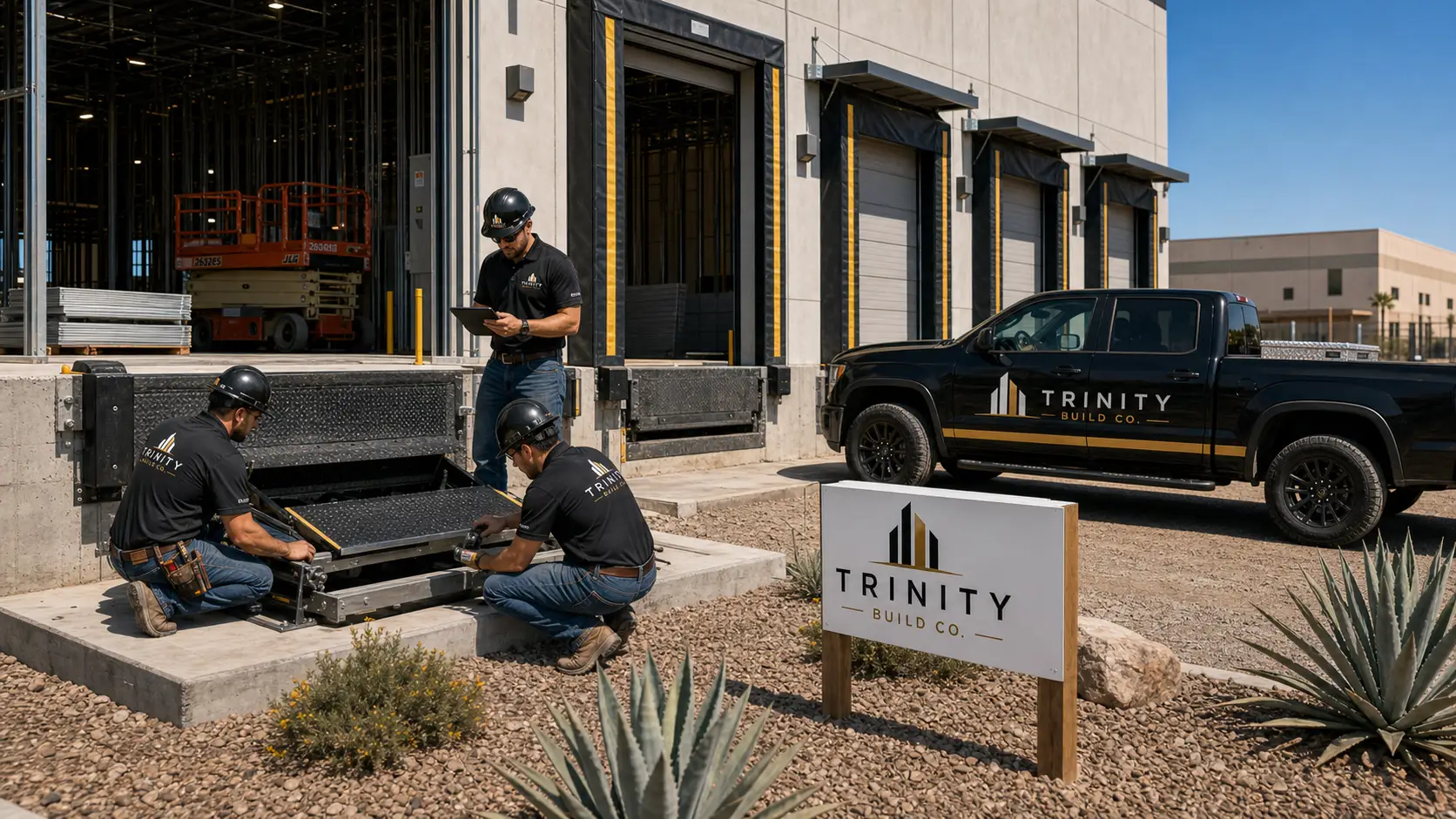
Material availability, installation sequence, energy use, maintenance, durability, replacement, schedule, and user needs can matter as much as the initial price difference between options.
The strongest value work happens while the team can study options without creating avoidable redesign or procurement disruption. Late reviews can still help, but the available choices may be narrower.
Confirm the current scope, design intent, budget position, schedule, performance criteria, and reason for the review.
Focus attention on high-impact systems, materials, details, packages, procurement constraints, and owner decisions.
Describe each alternative clearly enough for pricing, design, performance, and schedule review by the appropriate parties.
Compare probable benefits, tradeoffs, risks, redesign needs, lead times, lifecycle considerations, and decision deadlines.
Document the selected direction, obtain required design and owner approvals, and reconcile affected budget and schedule information.
Value engineering can support early planning, design reconciliation, procurement, and targeted problem solving. The goal is to preserve the outcomes that matter while improving how the project uses its resources.
Projects where the developing design and available funds need to be reconciled through prioritized, owner-approved options.
Projects facing long lead times, availability concerns, sequencing issues, or package strategies that warrant alternatives.
Projects comparing systems or materials where durability, maintenance, energy, replacement, and user needs affect value.
Project-specific answers depend on the documents, delivery method, contracts, jurisdiction, site conditions, and selected scope.
No. Cost cutting focuses primarily on reducing initial expense. Value engineering compares alternatives against the project's required function, quality, design, schedule, performance, operating, and budget priorities.
The owner approves project-direction and cost decisions, while architects, engineers, and other professionals review design, code, performance, and technical implications within their responsibilities. Contract requirements determine the formal approval path.
Some options may reduce lead time, simplify sequencing, or improve availability, while others may require redesign or create new dependencies. Schedule effects should be reviewed and documented for each option rather than assumed.
It is generally most effective during planning and design, before documents and procurement are fixed. Targeted reviews can also occur later when market, availability, site, or budget conditions change.
Share the current stage, location, scope, and priorities. We will help identify a practical next conversation.
Schedule a consultation and get a straight answer on budget, schedule, and feasibility — before you commit a dollar.